
How Flexible LED Screen Manufacturing Is Shaping New Display Design Trends
Shenzhen,Guangdong, China- September 28,2026
If you’ve seen incredible screens that twist and turn like magic, then you’re familiar with flexible digital displays. It’s one of the most exciting developments in the global industry, offering limitless possibilities in terms of what you can create with it. But is it possible to make it even better? It is, but only if you’re willing to take the time to learn how to build a flexible LED screen.
While it could be an interesting project to explore, it’s not easy, nor is it inexpensive. It’s essential to first answer the question, “How do flexible screens work?” before diving in and spending money on a task you’re not prepared for.
These remarkable displays can be a great investment if you know how to utilize them. And if you create them yourself, you can customize them to meet your specific visual needs and preferences.
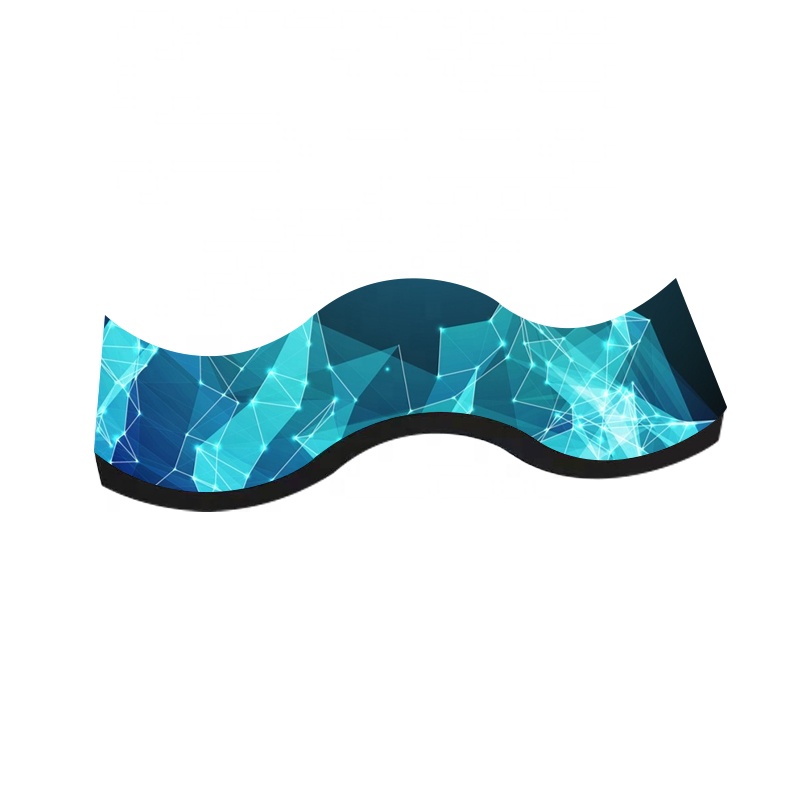
Reasons To Consider Building This Type of Display
It’s worth learning how to make a flexible LED screen for several reasons:
- May cost less – DIY projects are often more affordable than their market counterparts. High-end displays, on the other hand, come with steep prices, which is expected due to the advanced technologies used in them.
- Wide application – These displays can be used in various settings, including stages, exhibition walls, commercial spaces, entertainment areas, and even large hotels. Plus, you can rent it out to others who might need it, earning money from your investment.
- Better understanding – One of the best parts of learning how to make a flexible LED screen is gaining a deeper understanding of how it works. With this knowledge, you can optimize your use of the display and troubleshoot issues more effectively.
- Tailored exactly to your needs – By building the screen yourself, you ensure that its specifications align with your exact requirements. You won’t regret the investment, as you’ll know the components are high-quality, especially since standard flexible LED screens tend to be pricier than other types.
These are just a few of the reasons that will motivate you to learn how to DIY flexible LED displays.
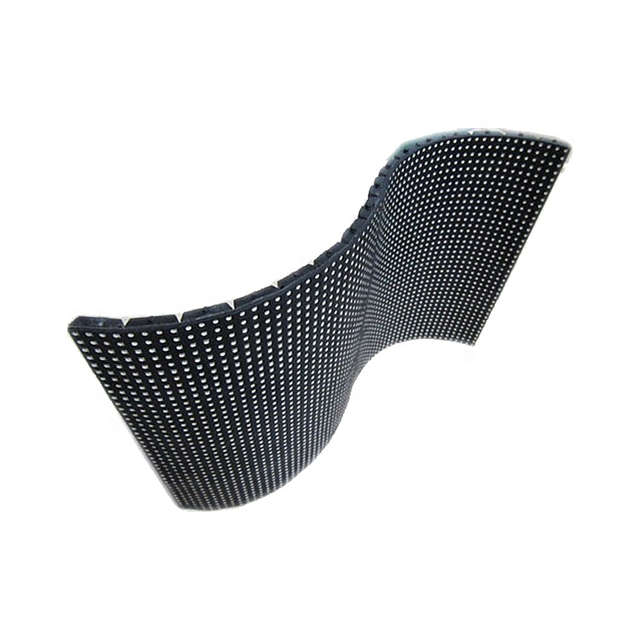
Prepping Before Flexible LED Screen Building
When learning how to make a flexible LED screen, it’s essential to familiarize yourself with the components that make up this high-end display. These key parts include:
- Cabinet
- LED module
- Power supply
- Control system
Once you have a solid understanding of these elements, it’s time to focus on the venue where the screen will be used. This is when your creative vision comes into play. What image do you want to convey? How will you utilize the screens? Whether for marketing campaigns or announcements, careful planning of the screen’s look is necessary. Here are some important factors to consider:
- Size
- Shape
- Price/Budget
- Cabinet design
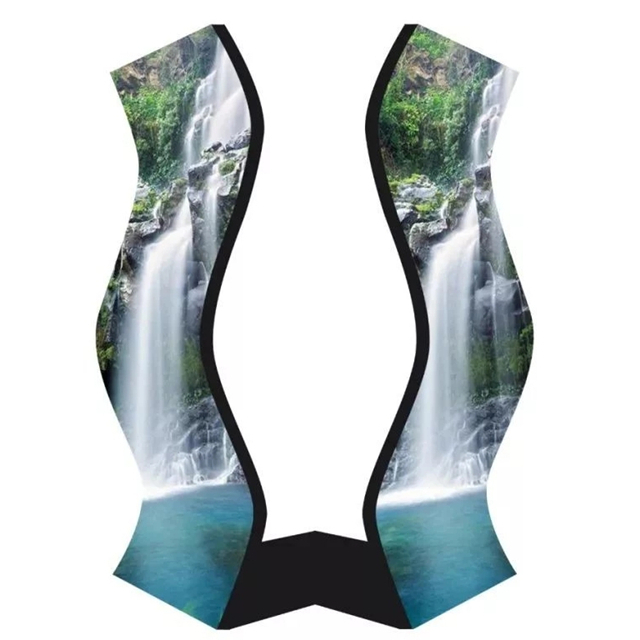
Step-by-step Process How To Make A Flexible LED Screen
Once you learn the process of creating and customizing high-end screens, everything will feel easier the second time around. If you’re a beginner and unsure where to start, the best approach is to take it one step at a time.
Step 1: Gather All Materials You NeedWhen creating a basic display, the first step is to gather all the necessary materials. Place everything in one location so it’s within easy reach, allowing you to work efficiently without having to move from room to room. Having all your tools and materials together will make the process of learning how to make a flexible LED screen much more effective. Here are some of the tools you will need:
- Hot iron and solder
- Cross, small, and large screwdrivers
- Heat gun
- Side cutters
In addition to these, you’ll also need:
- Flexible LED modules
- Power supplies
- Transmission controller
- Cardboard or other surface options
- Fast controllers
- Shrinking tube
- Cables
- Structure or tubes
Once you’ve gathered all these materials, here are the next steps to follow.
Step 2: Make Some CalculationsDetermine the length of the flexible LED module needed. This is a critical step in understanding how to make a flexible LED screen.
- LED module quantities in length = LED screen length ÷ length of a single module
- LED module quantities in height = LED screen height ÷ height of a single module
Step 3: Install Assembly StructureArrange the prepared iron tubes to match the required shape and size of the LED display, then secure them to the wall using expansion screws or chemical bolts.
Step 4: Assemble the WiresAssemble the DC5v cableBased on the current of a single LED module, calculate how many LED modules a single power supply can support. Then, assemble the necessary number of DC5v wires to the power supply. Connect the red wire to the power supply’s “+” and the black wire to the “-”.
Connect the AC cableAssemble the 3x 2.5mm² AC cable to the power supply, connecting the brown wire to “L,” the blue wire to “N,” and the yellow-green wire to “G.”
Receiver card power cableConnect the red wire to the power supply’s “+” and the black wire to the “-.”
Flat cable connectionArrange the receiving cards and install cables to the corresponding receiving cards.
Connect the network cableUse network cables to connect the receiving cards in series. Ensure that the single main network cable has a point value of less than 650,000 points.
Step 5: Assemble the Receiving Card and Power SupplyFix the power supply and receiving card onto the iron square tube using cable ties or screws, following the load arrangement diagram.
Step 6: Build the PanelsWhen learning how to make a flexible LED screen, building sturdy panels is crucial. Attach the flexible LED module to the iron tube using magnets, following the direction of the arrow on the module. Connect the corresponding DC5v wires and cables to the LED module.
Step 7: Program DebuggingAfter all components are assembled and powered on, it’s time to debug the program. Open the software, locate the receiving card, import the program, and set the screen’s receiving card layout.
ConclusionIf you’re wondering how to make a flexible LED screen, it requires a basic understanding of how this type of display operates. When creating your flexible display, it’s important to manage your expectations. You can’t expect to produce a high-quality 3D, high-end display using just simple materials. However, with patience and careful planning, you can build a functional, customized screen that suits your specific needs.
About us
Shenzhen Bescanled Co., Ltd. is a well-known LED display manufacturing enterprise integrating design, research and development, production, sales and service. Our company has an experienced leadership team with more than 12 years of industry expertise and has accumulated rich knowledge, especially in the field of independent research and development. In this article, we will explore why Shenzhen Bescanled Co., Ltd. is the first choice for LED displays and screens.
Media Contact
Company Name: Shenzhen Bescanled Co., Ltd.
Contact Person: Media Relations
Email: Send Email
Country: China
Website: https://www.bescan-led.com/


